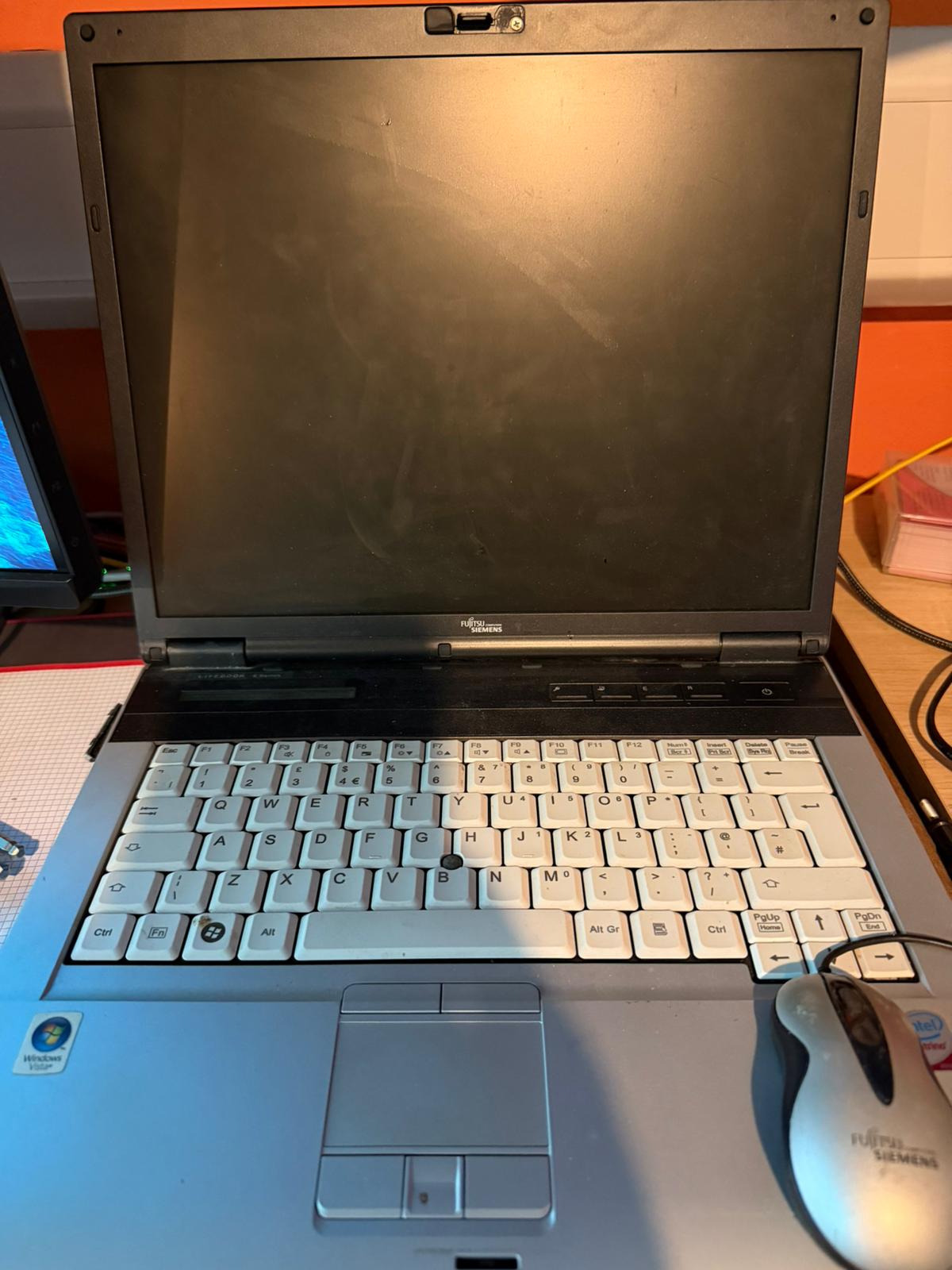
I won apprentice of the year in 2008, and my prize was a Fujitsu-Siemens laptop. At the time, and until Win XP went obsolete, I used it for Logix 5K (V18), Logix 500, and general daily use.
I dug it out recently as my rally car (Subaru Impreza) ECU software is on it, 2009 era, needs a USB dongle, Serial DB9 lead, and Win XP only.
I used VM ware tool to make my physical laptop into a VM, spun this up on a Win 11 laptop, and whilst it loaded the ECU software, it wouldn't datalog and would lose comms after a few minutes.
As my 2008 XP laptop was plugged in for the VM conversion, I unplugged it, and to my surprise still had battery. I went for a 30-minute drive, datalogging to XLS, came home and still had battery left.
I just switched my work laptop to Linux now. Even in an O365 environment its still better than W11.
Running VMs is substantially faster and more efficient. Even hardware passthrough is more reliable than W10 hosts.
I've thought about giving Linux a run as a daily driver on an old laptop just to see if I could get used to it or make it work. There's just too many distros. I liked Kubuntu when I've used it, and Zorin is pretty. I'm more familiar with Ubuntu/Debian tools like apt, but just need to take the time to play with them more.
Ubuntu is the go right now, authd (which provides M$ Entra authentication) doesn't interact with klockscreend properly, so otherwise I would be on the Kubuntu train. There is not too much setup involved either
Ubuntu, Linux Mint both solid. For 99% of the people that do nothing with their computer other than open a web browser, they wouldn't even know they weren't on windows.
I'm an Arch guy, but it's not for everyone.
Though there are "easy versions". I tried Manjaro a few years ago, it was pretty good but had some issues. There are others but I'm not up to date.
And Debian for remote servers. Sometimes it's annoying not to have the latest things in the official repo, but then you remember that's why you pick Debian in the first place.
I’ve been running Linux bare metal for my servers, some Debian some Ubuntu.
For all my Edge installs, I use Ubuntu.
Windows 11 is it for me, any laptop that had a 10 license and met the spec will go win 11 once the extended 10 support ends. After that, it’s likely Ubuntu for all laptops too.